
"natural process"
20000 article(s) found

Introduction to the requirements of natural conditions in the growth process of wild coffee
Introduction to the requirements of natural conditions in the growth process of wild coffee in fact, the Arabs began to grow coffee in 525 BC, and chewing fried coffee beans became popular in the Arab region. In 890 AD, Arab merchants sold coffee beans to Yemen, and Yemenis made coffee beans into drinks for the first time. In the 15th century, coffee was introduced into Europe and Asia, and soon into the United States.

Costa Rican coffee beans main estate introduction Goddess estate
Francesca's natural processing process is laborious. The hand-picked high-sugar coffee fruit is placed in the sun for about 10 days in an African elevated shed, then placed in a plastic sheet covered greenhouse to create more direct heat and continue drying until the moisture content reaches 11.5%. The slow drying process allows the beans to develop more natural sweetness from within, but also requires more care.
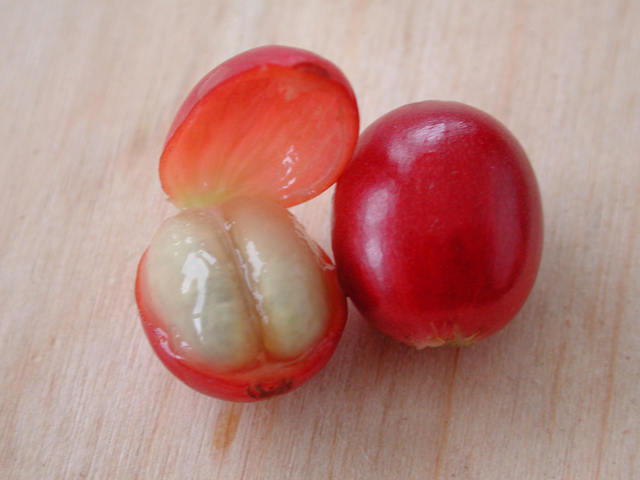
The treatment process from Coffee Fruit to Coffee Raw beans after picking Coffee Fruit
There are a pair of oval seeds in the center of the coffee fruit, which are covered with outer skin, endocarp and pulp. Ripe fruits rot in a short period of time without treatment, so the purpose of refining is to preserve coffee beans for a long time so that they can be stored and circulated. Refining is to remove the skin and pulp of the coffee fruit, and then take out the seeds. The general methods of refining are drying, washing, and

Introduction to PuraCepa microbial Solar treatment in Guatemala _ Information on Coffee beans in Boris Manor
Professional coffee knowledge exchange more coffee bean information please follow the coffee workshop (Wechat official account cafe_style) Biodynamic biodynamic method? Organic organic cultivation? Natural Wine Natural Wine? A wave of returning to nature suddenly blew up in the red wine world, and the natural wine bars in Paris, New York, London, Tokyo and Hong Kong suddenly appeared.

What is decaf | what are decaf? Datra Manor Opas Natural decaf
Professional coffee knowledge exchange more coffee bean information please follow the coffee workshop (Wechat official account cafe_style) Datra Manor Opas natural low-caffeine coffee flavor description: want to enjoy mellow coffee, but do not want to drink the strange taste of artificially processed low-caffeinated coffee, the world's first natural low-caffeinated coffee bean production information: country: Brazil: Syrador
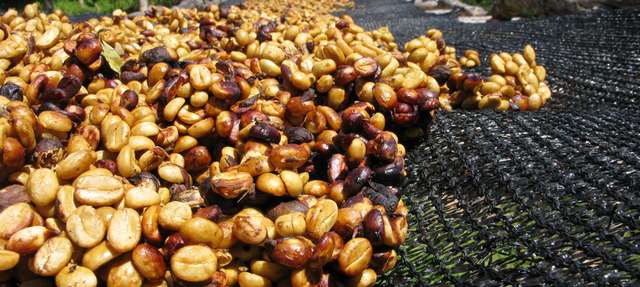
Coffee treatment, honey treatment, yellow honey, red honey, black honey, invented by Costa Rica.
Juxtaposed with the two traditional treatment methods, water washing and sun treatment, honey treatment has also become a unique method in coffee treatment. Honey treatment, that is, honey or miel,honey means honey, and miel means honey in Latin, so beans made in this way are always reminiscent of sweet. On many occasions and under many conditions, it seems that pluped natural treatment

Introduction to the Grinding scale of the name of Coffee producing area in Las Haas Manor, Costa Rica
The natural treatment process of French Sika is quite laborious. The artificially picked high-sugar coffee fruit is first placed in an African viaduct in the sun for about 10 days, and then placed in a plastic-covered greenhouse to create more direct heat and continue to dry. until the water content reaches 11.5%. The slow drying process allows raw beans to develop more natural sweetness from within, but it also needs to be more careful.

Costa Coffee Manor introduces Galajas Manor
The natural treatment process of French Sika is quite laborious. The artificially picked high-sugar coffee fruit is first placed in an African viaduct in the sun for about 10 days, and then placed in a plastic-covered greenhouse to create more direct heat and continue to dry. until the water content reaches 11.5%. The slow drying process allows raw beans to develop more natural sweetness from within, but it also needs to be more careful.

Washed or dry? The relationship between the handling method and the level name
The coffee beans baked by us as ingredients are actually the seeds in the coffee fruit. Coffee farmers give the fruit another name, coffee cherry (Coffee Cherry). If the pulp is separated from the seed, and how to dry the seed into a state that is easy to preserve, the whole process is collectively referred to as treatment. Due to the effect of the treatment process on the quality and flavor of coffee beans

Costa Rican Coffee Manor Fire Phoenix Manor introduction Coffee flavor and taste
The natural treatment process of French Sika is quite laborious. The artificially picked high-sugar coffee fruit is first placed in an African viaduct in the sun for about 10 days, and then placed in a plastic-covered greenhouse to create more direct heat and continue to dry. until the water content reaches 11.5%. The slow drying process allows raw beans to develop more natural sweetness from within, but it also needs to be more careful.

Professional coffee roasting| Is the natural curve of baked beans coincidence or science?
Professional barista communication, please pay attention to coffee workshop (Weixin Official Accounts cafe_style) Using the open source free baking record software Artisan not only allows us to focus on the process of baking beans, but also adds a lot of unexpected ideas, or fun, I don't understand why some people resist it so much. In Germany 2015 SCAE baking contest page last there is one

Introduction to the processing methods of coffee beans from growing to picking raw beans and ripe beans
The growth process of coffee beans introduces the natural treatment of raw coffee beans (dry processing): also known as drying processing. After the coffee berries are fully ripe, they will fall from the tree. After natural drying, the coffee beans will come out of the coffee berries and become mature coffee beans. This is probably the earliest way to process coffee beans. Later, this method evolved into drying processing.

The mystery of Costa Rican coffee flavor Costa Rican coffee bean flavor comes from high altitude refined processing
Communication of professional baristas Please pay attention to Coffee Workshop (Wechat official account cafe_style) Coffee industry in Costa Rica (Costa Rica) has developed since the middle of the 18th century. it is the country where coffee was first introduced to Central America to grow. Costa Rica's coffee has always been recognized by the world and rated as one of the world-class producers of high-quality coffee. Because it is located in the
WASH washing treatment H _ 2 honey treatment NATURE sun treatment 90 + treatment
W2, H2, N2: it can be understood as the traditional way of processing raw beans, and 90 + also regards them as the distinction of taste. Ninety Plus thought that coffee itself is a kind of fruit, so he made his own exclusive treatment according to taste (W2), (H2), and (N2). When you understand traditional coffee processing, you will find that a small amount of adjustment can blur the distinction between them. For example, in

Flavor and taste characteristics of Yunnan washed coffee beans? How did the honey treatment come from?
The coffee we drink comes from the seeds of coffee beans. The coffee processing process involves removing layers on the coffee fruit, such as mucus and parchment, until we get the seeds. Different types of processing involve the removal of fruit layers in different ways and at different times. Natural coffee is a completely dry coffee, that is to say, it is naturally dry. The outer layer, from the epidermis to parchment, dries later.

Dry treatment is also called natural all-day tanning.
Dry treatment (secado), also known as natural all-day exposure (natural). After the coffee fruit is actually picked, it is dried directly in the sun. According to the weather conditions, it is generally necessary to dry the coffee beans for 2 weeks to reduce the water content of the coffee beans to 10%, 12%, and then use a machine to remove the dried peel and pulp. The raw bean processing plant (beneficio) usually retains the parchment shell on the outside of the coffee bean when the raw bean is stored.

Costa Rican Coffee Manor Goddess Manor introduces boutique coffee beans in the western valley
The natural treatment process of French Sika is quite laborious. The artificially picked high-sugar coffee fruit is first placed in an African viaduct in the sun for about 10 days, and then placed in a plastic-covered greenhouse to create more direct heat and continue to dry. until the water content reaches 11.5%. The slow drying process allows raw beans to develop more natural sweetness from within, but it also needs to be more careful.

Processing Technology of Brazilian Coffee Raw beans Coffee Tree Fine Coffee
The Brazilian coffee industry follows the principle of picking first and screening later, but in other Latin American countries, people only pick fully ripe fruit, and if it is not mature enough, growers will leave the fruit on the tree. Why is there such a big difference between the two methods? The reason lies in the picking and treatment of raw beans. First of all, except for Brazil, the scale is larger.
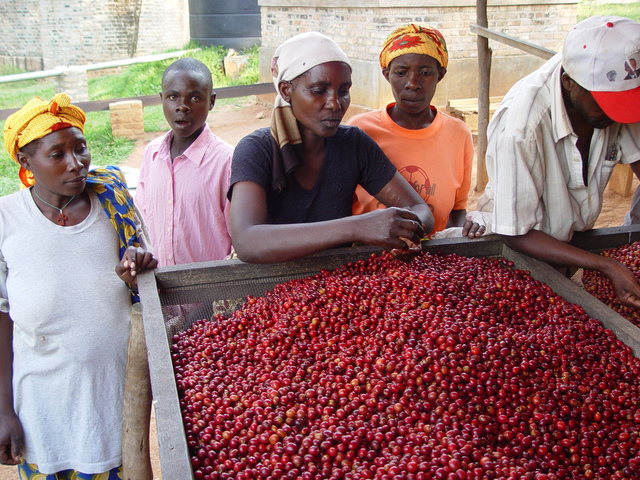
The processing method of raw coffee beans in China Coffee Network the method of solarization in Ethiopia Yega Xuefeijia
Due to the use of natural sunlight to dry the fruits and raw beans of coffee, it is also called natural drying. Due to the use of artificial and natural treatment methods in the process, the sun-cured beans look irregular and unflattering in appearance. 1. Choose beans: put the harvested fruit in the water tank, and the ripe fruit will sink, while the unripe and overripe fruit

Introduction to the Central Valley and the Western Valley of Costa Rica Coffee producing area
The natural treatment process of French Sika is quite laborious. The artificially picked high-sugar coffee fruit is first placed in an African viaduct in the sun for about 10 days, and then placed in a plastic-covered greenhouse to create more direct heat and continue to dry. until the water content reaches 11.5%. The slow drying process allows raw beans to develop more natural sweetness from within, but it also needs to be more careful.